
Tourist towns ‘desperate’ for workers in Alberta
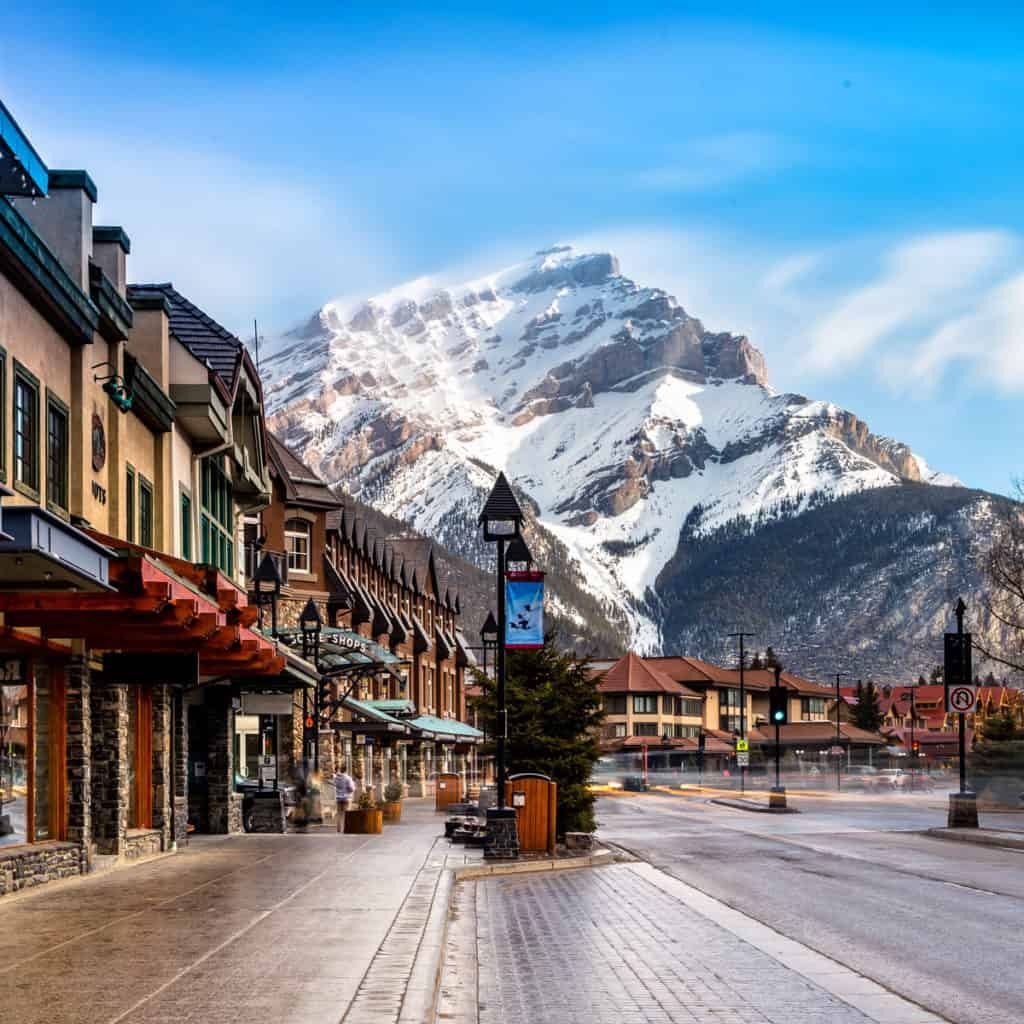
Canada’s tourism industry is struggling to find workers as employers face tighter rules on foreign labour and fewer Canadians stepping into the sector. In Alberta’s mountain tourism hubs, those challenges are even more complex, with employers and job seekers pointing to a lack of affordable housing as a major barrier.Just days after arriving in Banff, Gintare Dalmantaite is already looking for work.
“My goal is to get a seasonal job, a summer job, and stay for however long that takes,” said the 26-year-old from Lithuania. She was among hundreds of job seekers, many on work visas, attending a job fair in the Rocky Mountain town ahead of the busy summer season.
‘I’m desperate’
Employers say demand for workers is high. “I’m desperate,” said Brande White with the Grizzly Paw Brewing Company in nearby Canmore. “I have to find at least 35 people before June 1.”
Job seekers also included some Canadians, such as Jimmy Stevens, who lives in Canmore and is working multiple jobs. “I have two part-time jobs, but we’re struggling to pay the bills every month,” he said. Employers say that struggle is a key reason many Canadians are not taking available tourism jobs in the region.
“The last three years, I probably have 600 interviews, said White. “People can’t stay, they can’t find housing, or they just don’t show up or can’t afford it.”
In Banff and Canmore, a severe housing shortage, driven by high demand and limited supply, has pushed rental costs out of reach for many workers. White said her business is trying to hire locally, but many Canadians simply cannot afford to move to or stay in the area. “We are trying to hire Canadians. Anybody that’s looking for a job, please come see me. We just can’t find enough,” she said.
Shortages across Canada
Industry experts say labour shortages in tourism are being felt across the country. “The limitation of immigrant students and short-term workers has definitely had an effect on the tourism industry,” said Wayne W. Smith, director of the Institute for Hospitality and Tourism Research at Toronto Metropolitan University. Smith said the sector is also facing longer-term challenges, including declining enrolment in training programs.
“What we’re also seeing is hospitality programs around the country are being cut,” he said.He added that the nature of tourism work makes recruitment difficult.
“The hospitality industry has a couple real big challenges. One is seasonality. So basically, you’re bringing in a large workforce for six months … You then add housing.” Smith said.
Housing supply
In Banff and Canmore, that housing shortage is particularly acute. With record numbers of visitors expected this year, employers say demand for staff continues to grow. “We’re at full capacity of the hotel the entire week, with more reservations coming up — dinner as well as brunch,” said Sergio Garcia, head chef at Juniper Hotel Bistro in Banff.
While some employers offer staff accommodations, supply is limited. “We do offer housing, but it’s not enough. That’s the problem now,” Garcia said.
Employers say temporary foreign workers are critical to filling gaps, but tighter federal rules and slower approval processes have made it harder to bring them in. Darren Reeder, president and CEO of the Tourism Industry Association of Alberta, said the labour shortage is not new, but reflects broader issues in how the industry is perceived.
“People often see tourism jobs as entry-level positions with no long-term career trajectory, but in reality, there are many levels of certification and professional training people can go through,” he said. Efforts are underway to attract more domestic workers into the sector. Smith said industry groups are working with post-secondary institutions to introduce students to tourism careers earlier.
“What we’re trying to do is build this domestic market for the local tourism industry,” he said. As for housing in Banff and Canmore, plans are in place to increase housing capacity, including 90 new units in Banff, but employers say it won’t be enough to meet demand. “We don’t have houses right now and that’s what we need,” said White.